The string lights are up, the speaker's paired to your phone, and the grill's going…
Stop Energy Vampires: Eliminating Waste in Your Home’s Electrical System
Your TV is off. Your phone is charging in the other room. You haven’t touched the microwave since breakfast. So why does your electricity bill keep creeping up?
The answer might be energy vampires. These are appliances and devices that quietly draw power around the clock, even when you think they’re off. According to the U.S. Department of Energy, standby power accounts for 5–10% of residential electricity use and can cost the average household up to $183 per year. That gets expensive fast.
Here’s how to find the energy vampires sucking up your hard-earned cash and how an electrical inspection can help.
At a Glance
- Standby power can account for 5–10% of your home’s total electricity use.
- The biggest offenders are entertainment systems, kitchen appliances, and plugged-in chargers.
- Smart plugs, power strips, and electrical upgrades can significantly cut waste.
- A professional electrical assessment can uncover inefficiencies your bill won’t explain.
What Are Energy Vampires, Exactly?
Energy vampires, also called phantom loads or standby power, are devices that keep drawing electricity even when they’re switched off. They’re not doing anything useful with that power. They’re just sipping it, constantly.
Most modern electronics don’t fully shut down when you turn them off. Instead, they slip into standby mode so they can spring back to life the moment you hit the remote. Your cable box is recording shows overnight. Your smart TV is waiting for a signal. Your laptop charger is warm even though your laptop isn’t plugged into it.
How do I know if a device is an energy vampire?
Look for indicator lights or digital clocks that stay on when a device is “off.” If it turns on with a remote or smartphone app without a physical button press, it’s drawing standby power. A device that feels warm after sitting unused for hours is another dead giveaway.
The Worst Offenders in Most Homes
Not all energy vampires are equal. Here are the biggest culprits you’ll find in most St. Charles and St. Louis area homes:
Entertainment systems top the list. TVs, cable boxes, gaming consoles, soundbars, and streaming devices are among the heaviest standby users. Cable boxes in particular run nearly continuously, recording, buffering, or waiting on a scheduled download around the clock.
Kitchen appliances with clocks or displays, like microwaves, coffee makers, and toaster ovens, draw power continuously just to keep that clock lit. Small per device, but four or five of them running at once adds up.
Chargers and power adapters are easy to overlook. A phone charger left plugged in without a device, a laptop brick on your desk, a tablet charger that never gets unplugged: they’re all converting energy with nothing to show for it.
Older appliances are typically the worst offenders. A device from ten years ago might draw 10–15 watts on standby, while a modern ENERGY STAR equivalent draws less than one watt.
What about devices I can’t unplug?
Your refrigerator, router, security system, and thermostat need to stay on. There’s no getting around those. The goal isn’t to unplug everything; it’s to identify what’s draining power unnecessarily and address that first.
Smart, Practical Ways to Cut the Waste
Unplug what you don’t use regularly. If the guest bedroom TV goes untouched for weeks, unplug it. The same goes for the basement gaming console or the occasional-use printer. No connection means no phantom draw.
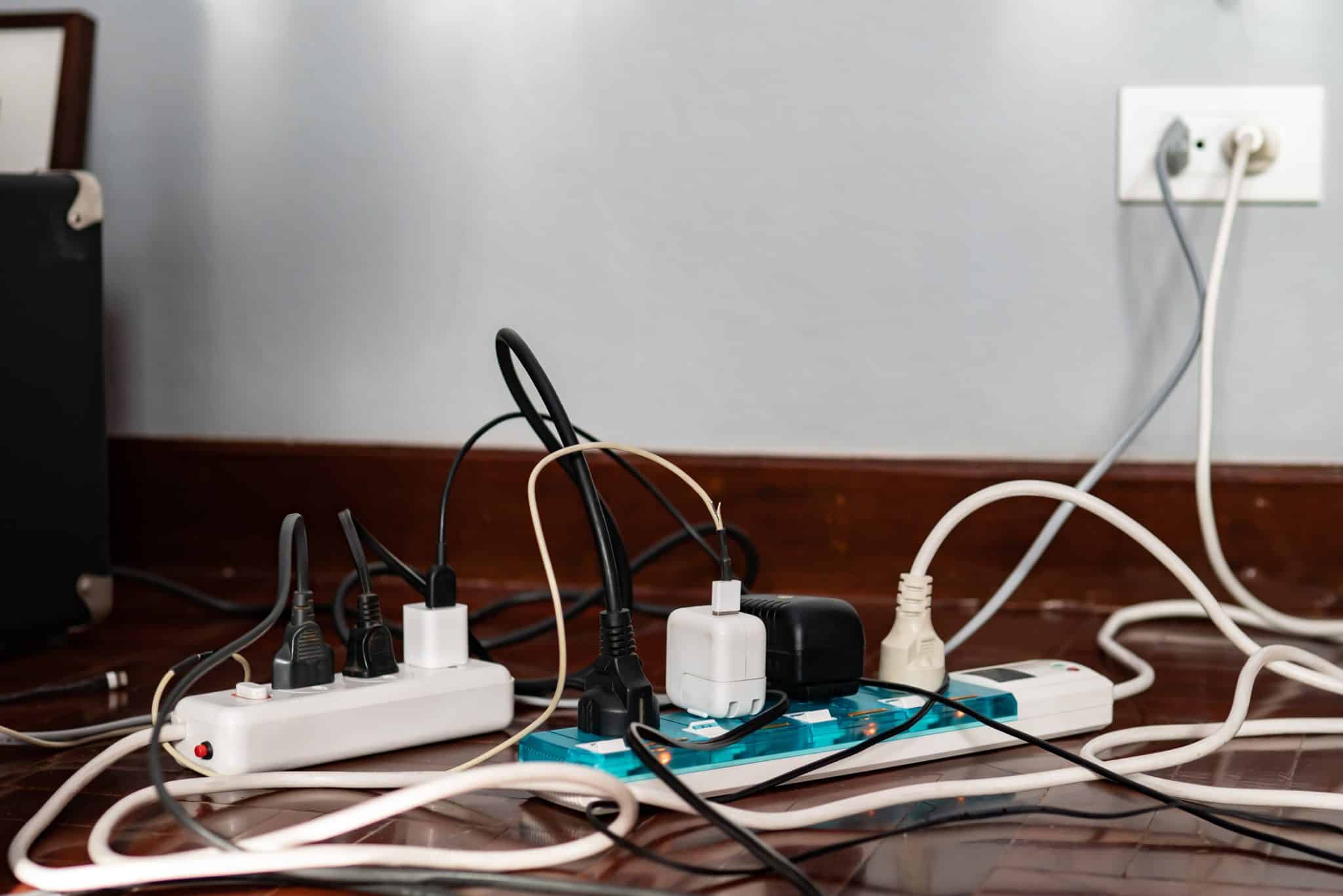
Use power strips strategically. Group your TV, sound system, and streaming device on one strip so you can cut power to all of them with a single switch at night. Smart power strips go further by automatically detecting standby mode and cutting power to that outlet on their own.
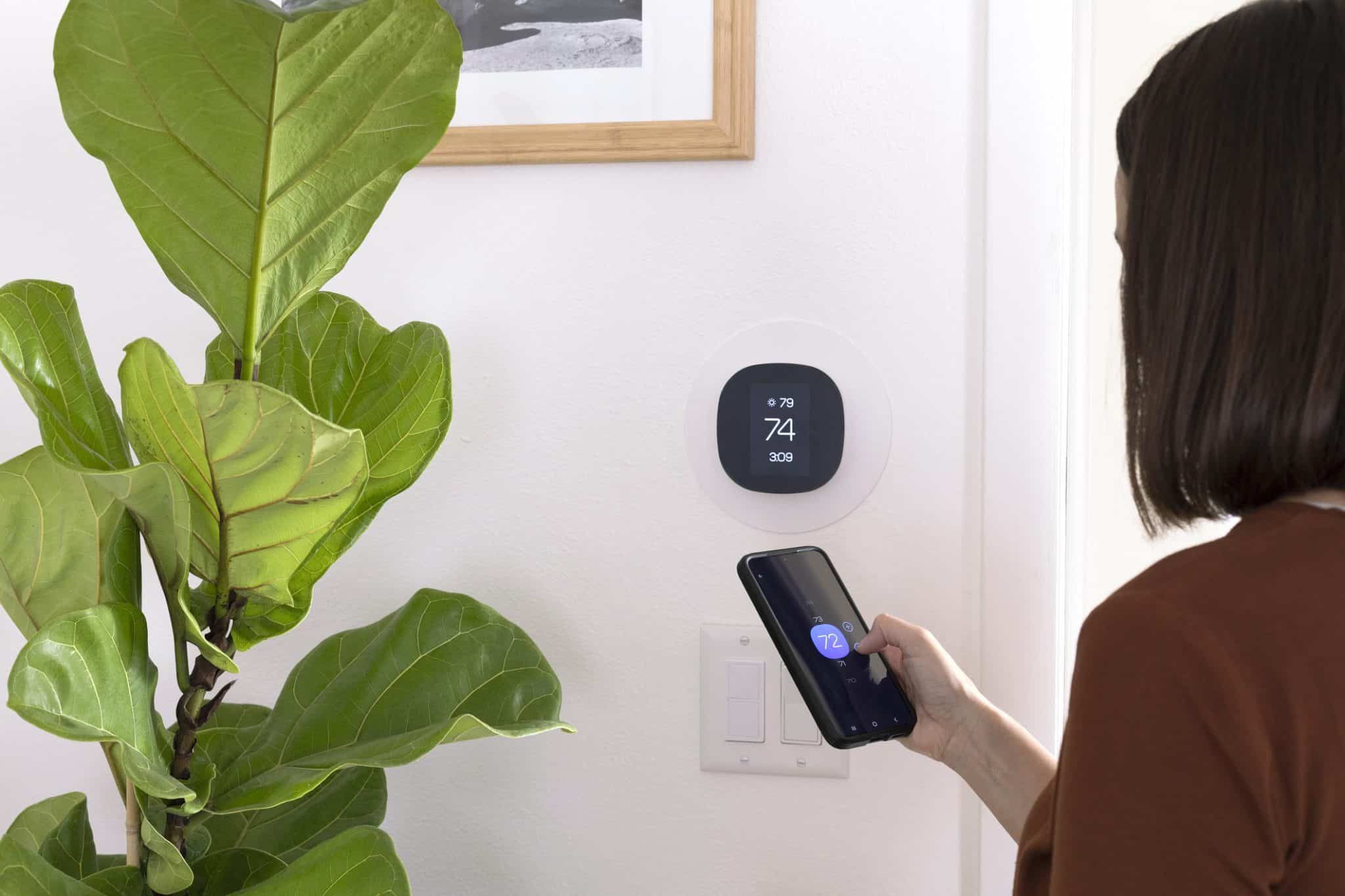
Upgrade to smart plugs. Smart plugs let you control and schedule individual outlets from your phone. Many include energy monitoring so you can see real-time consumption data and catch what’s actually running.
Choose ENERGY STAR when replacing appliances. ENERGY STAR-certified replacements use dramatically less standby power than older models, which is a long-term win for your bill and your home’s overall electrical efficiency.
Can a professional electrician help reduce my energy waste?
Absolutely. At J. Bathe Electric, we’ve helped St. Charles and St. Louis area homeowners improve their electrical systems for over 80 years. Our team can evaluate your panel, identify overworked circuits, recommend whole-home surge protection, and install smart home upgrades that give you better control over how power flows through your home. An outdated system isn’t just inefficient; it can be a safety concern, too.
Small Changes, Real Savings
Energy vampires are a quiet, steady drain, and with Missouri electricity rates on the rise, the cost of ignoring them is growing. You don’t need a full home overhaul to make a difference. Start by identifying which devices are drawing power when they shouldn’t be, make a few smart adjustments, and consider a professional evaluation if your bills have been climbing without a clear explanation.
FAQs: Energy-Efficient Electrical Systems
How much can phantom loads add to my electricity bill?
Standby power can account for 5–10% of your home’s total electricity use, which translates to up to $183 per year for the average household. With Missouri electricity rates rising, that number is only going in one direction.
Do smart plugs actually save energy?
Smart plugs save energy when you use them to turn off or schedule devices that would otherwise stay in standby mode. The plug itself draws a small amount of power, but the savings from eliminating phantom loads typically far outweigh that.
Is it worth having an electrician look at my home’s electrical efficiency?
If your bills have been climbing without an obvious explanation, your panel is older, or you’ve added a lot of new devices and appliances over the years, a professional inspection is worth it. An electrician can spot inefficiencies and safety concerns that a watt meter won’t catch.
Stop Wasting Power and Reduce Your Electric Bill. Schedule an Electrical Inspection
If you’re not sure where your home’s electrical efficiency stands, J. Bathe Electric can help you figure it out. Our licensed, background-checked electricians serve St. Charles, O’Fallon, St. Peters, Chesterfield, and the greater St. Louis area.
Give us a call at (636) 689-5085 or contact us online to schedule an inspection.
Related Posts