If you’re like most homeowners, you probably believe that kitchens and bathrooms are the most…
What DIYers Can and Cannot Do With Electrical Projects
DIY renovations can be a rewarding way to update your home, but electrical work is an area where you need to proceed with caution. Unlike cosmetic upgrades, electrical systems are hidden behind walls and connected to every major function in your home. A single mistake can lead to fire risks, shock hazards, code violations, or costly repairs that undo your hard work.
Electrical rules exist to protect you, and knowing your limits helps you avoid dangerous situations during your project. With the right guidance, you can keep your renovation moving forward without putting your home at risk. At J Bathe Electric, we help homeowners across Missouri complete renovations safely by helping them understand what they can safely DIY and what they should trust a professional for.
TL;DR
- Electrical systems have strict safety and code requirements.
- Simple tasks like replacing fixtures or switch plates may be manageable.
- Running new circuits or moving outlets is not a DIY job.
- Calling a professional keeps your Missouri renovation safe and compliant.
What Makes Electrical Work Different From Other DIY Projects?
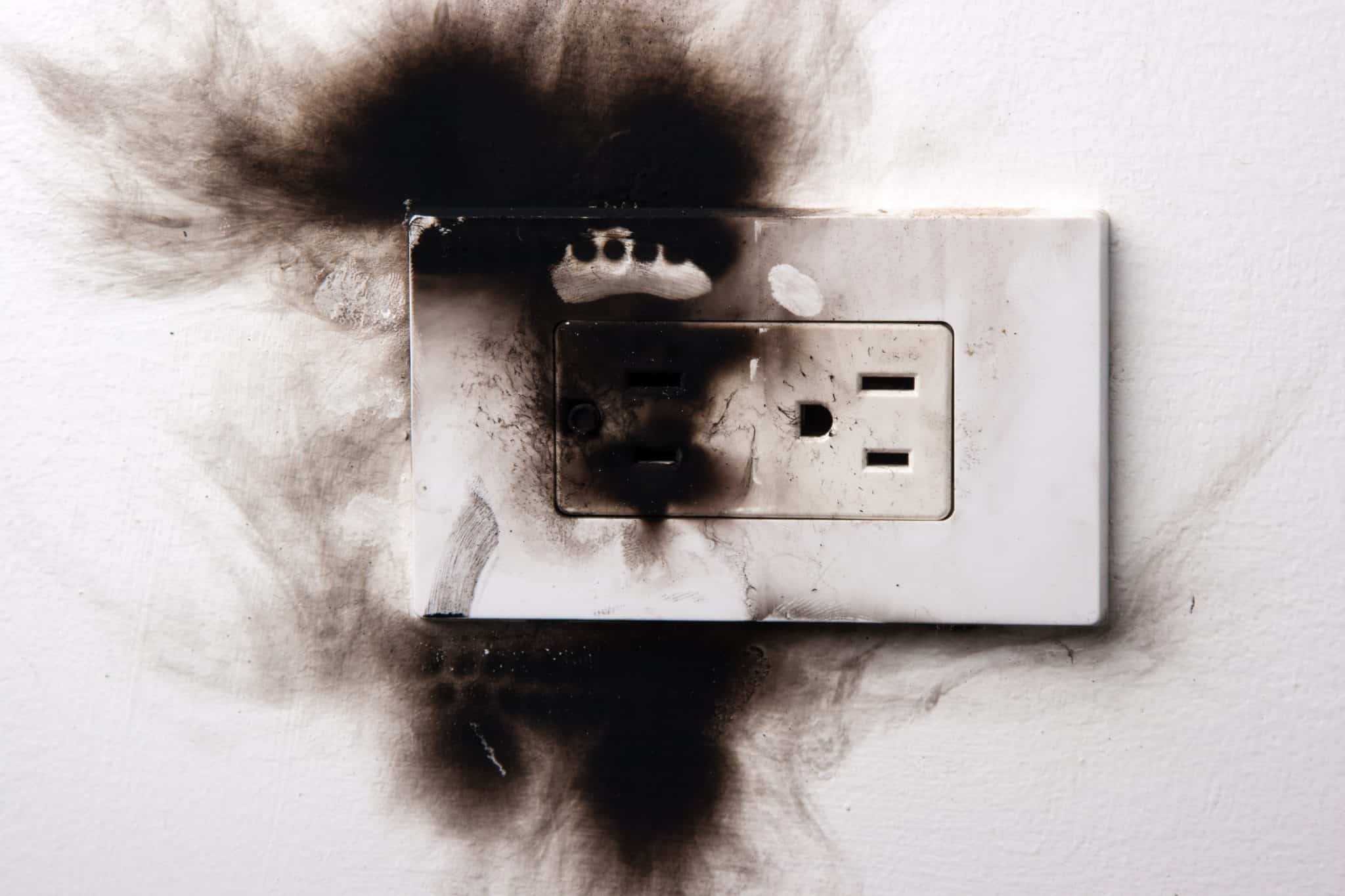
Electrical projects involve far more risk than painting, flooring, or cosmetic upgrades. Wires that look safe can still carry power, and even small wiring mistakes can create long-term hazards. Overloaded circuits, loose connections, or incorrect wiring can lead to shocks, fire risks, or appliances that fail without warning.
Electrical codes in Missouri also have specific requirements for wire placement, grounding, breaker sizing, and protective devices. These rules are designed to prevent hazards, but they are not always obvious to the typical homeowner. Unlike visible DIY errors, electrical mistakes often stay hidden until something goes wrong. Understanding the limits of diy electrical safety helps you make smarter choices about what you should and should not attempt in your home.
What Electrical Tasks Can You Safely Handle?
Some light electrical tasks can be completed safely if you take the proper precautions. These include:
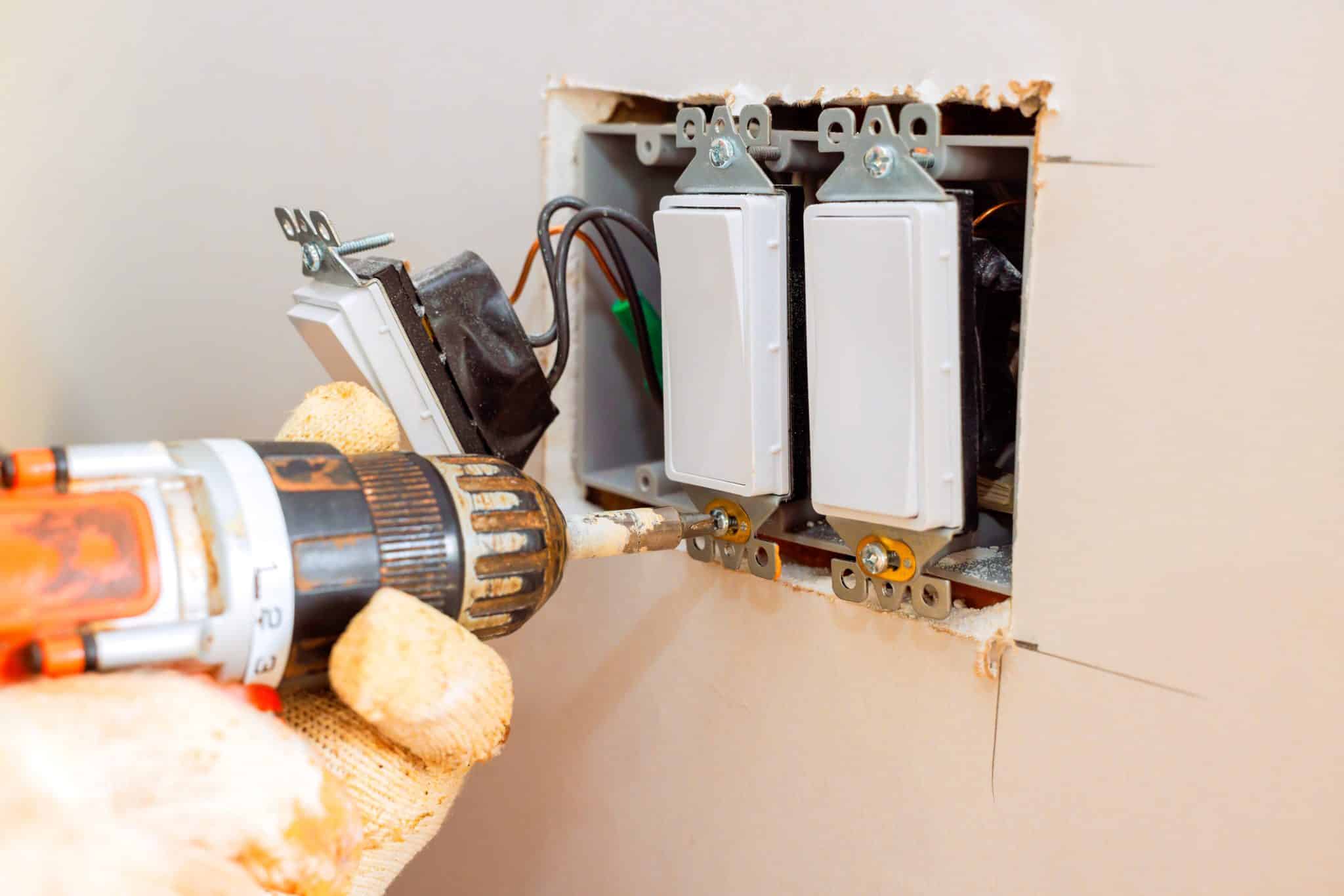
- Replace existing light fixtures when the wiring is intact and properly installed.
- Installing new outlet covers or switch plates. Two screws and a few minutes, and you’re done.
- Adding plug-in lighting or smart home devices that do not require wiring changes. These typically just plug into a receptacle, and a device or light plugs into them, creating smart functionality.
- Changing bulbs or battery-powered lighting fixtures. Since there’s no wiring, these are pretty straightforward.
Even with these simpler tasks, you should always turn off the breaker and confirm there is no power at the fixture before you begin. Use a voltage tester for added safety. If anything about the wiring looks damaged, outdated, or unfamiliar, stop the project and call us.
Electrical Jobs That Require a Permit or a Licensed Electrician
Some electrical tasks should never be attempted on your own because they require a permit, a detailed understanding of electrical codes, and professional licensing.
Running new circuits is one of the most common examples. This work affects your electrical panel, load limits, and breaker compatibility. Moving or adding outlets also requires a licensed electrician, since incorrect placement or wiring can create hidden hazards behind your walls.
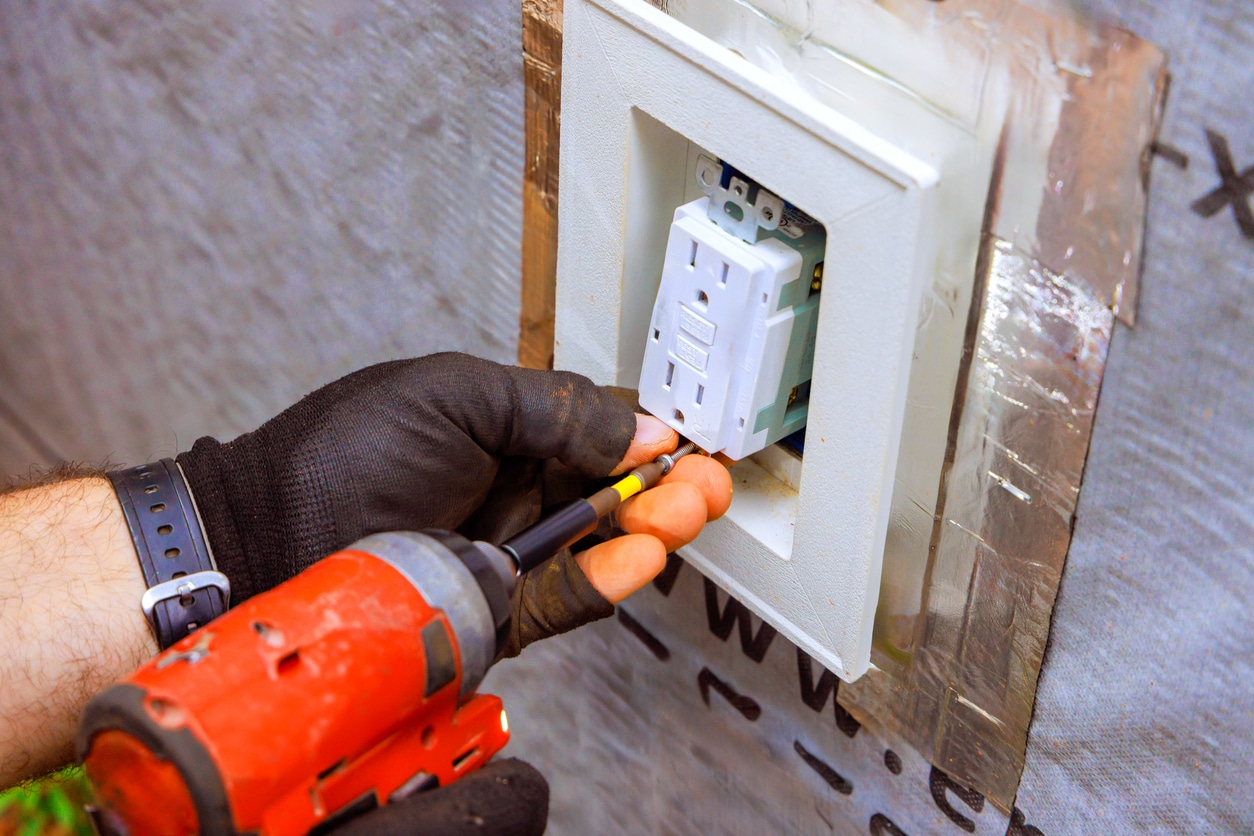
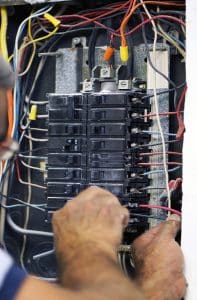
Any upgrade involving your electrical panel should always be handled by a professional. This includes adding breakers, correcting panel defects, or replacing outdated equipment. Renovations involving kitchens, bathrooms, or outdoor spaces often require new GFCI-protected circuits, which must meet specific code requirements.
Common DIY Mistakes That Create Serious Hazards
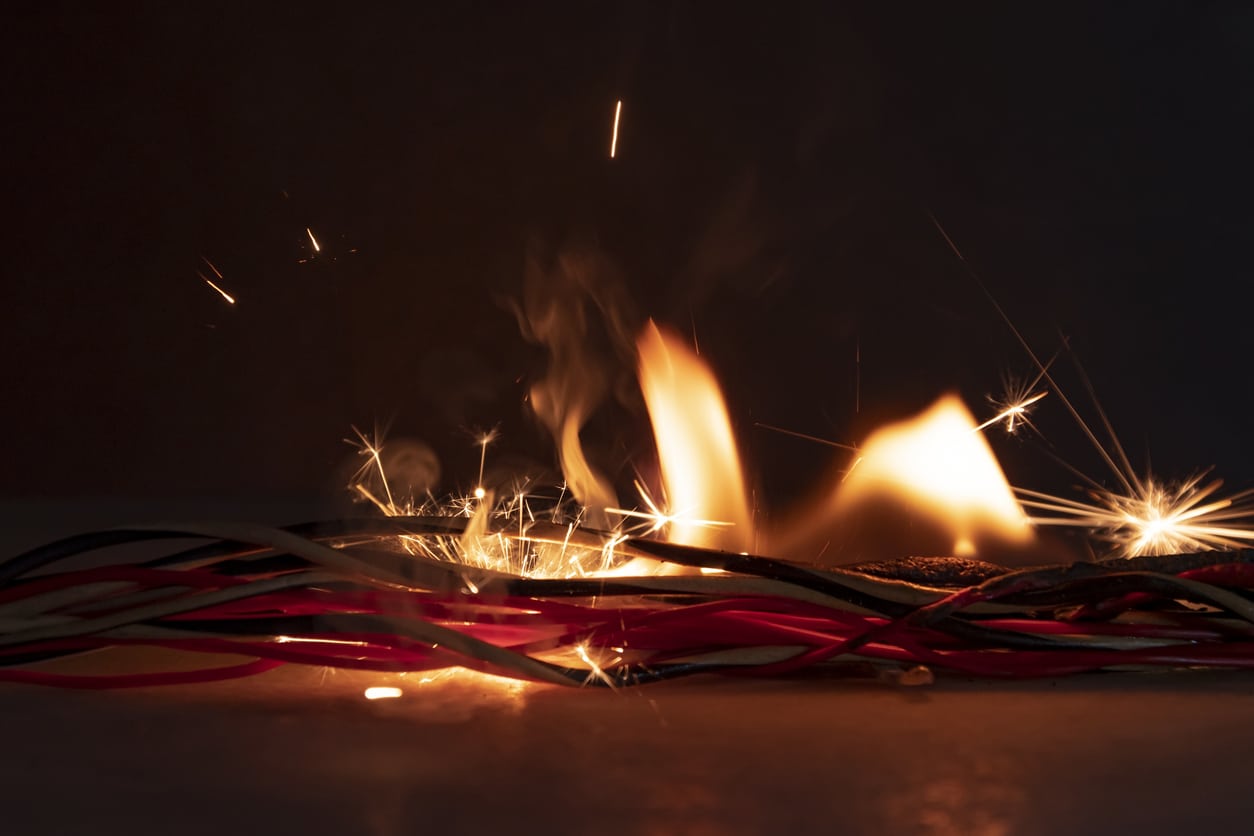
DIY electrical mistakes often remain hidden until something goes wrong. One frequent issue is overloaded circuits created by adding fixtures or outlets without calculating the electrical load. Another risk occurs when wires are the wrong size for the breaker, which can cause overheating. Loose connections inside junction boxes can produce arcing, a major fire hazard.
Many homeowners also make the mistake of using extension cords as a permanent solution, which is never safe. Others accidentally bury junction boxes behind drywall, making them inaccessible for future repairs. Miswired switches or outlets may appear to work at first, but can trigger breaker trips or create shock hazards later. Recognizing these risks helps you understand why some tasks should only be handled by licensed professionals.
When to Call J Bathe Electric for Safe Renovating Support
There are a lot of situations where you should always take the time to bring in a licensed electrician. Not only is it the safest choice, but when you’re renovating, it’s the smartest choice.
If your renovation involves old or unknown wiring, you should have it inspected before moving forward. If breakers trip repeatedly or certain outlets do not work consistently, the issue may point to a deeper electrical problem that requires expert troubleshooting.
You should also call us if your renovation requires new wiring, outdoor electrical upgrades, or changes to your electrical panel. When you involve a professional early, you keep your project on schedule and avoid costly mistakes that could lead to safety risks or failed inspections.
Electrical Safety You Can Count On
Electrical work is an important part of any home renovation, but it is also one of the most hazardous areas to handle on your own. Knowing what you can safely manage and when to call a professional helps you protect your home and avoid preventable risks. By choosing safe practices and involving a licensed electrician when needed, you keep your project moving forward with confidence.
Professional Electrical Help for Missouri DIY Renovators
If you are planning a renovation and want to make sure your electrical work is safe and compliant, lean on your local experts. We’re ready to deliver the service you deserve for your upgrades, repairs, troubleshooting, and more. Reach out online to get started, or call us at 636-498-0613 today.
Related Posts