 Electrical Damage Prevention Beyond Surge Protection
If you’re like most homeowners, you probably believe that kitchens and bathrooms are the most…
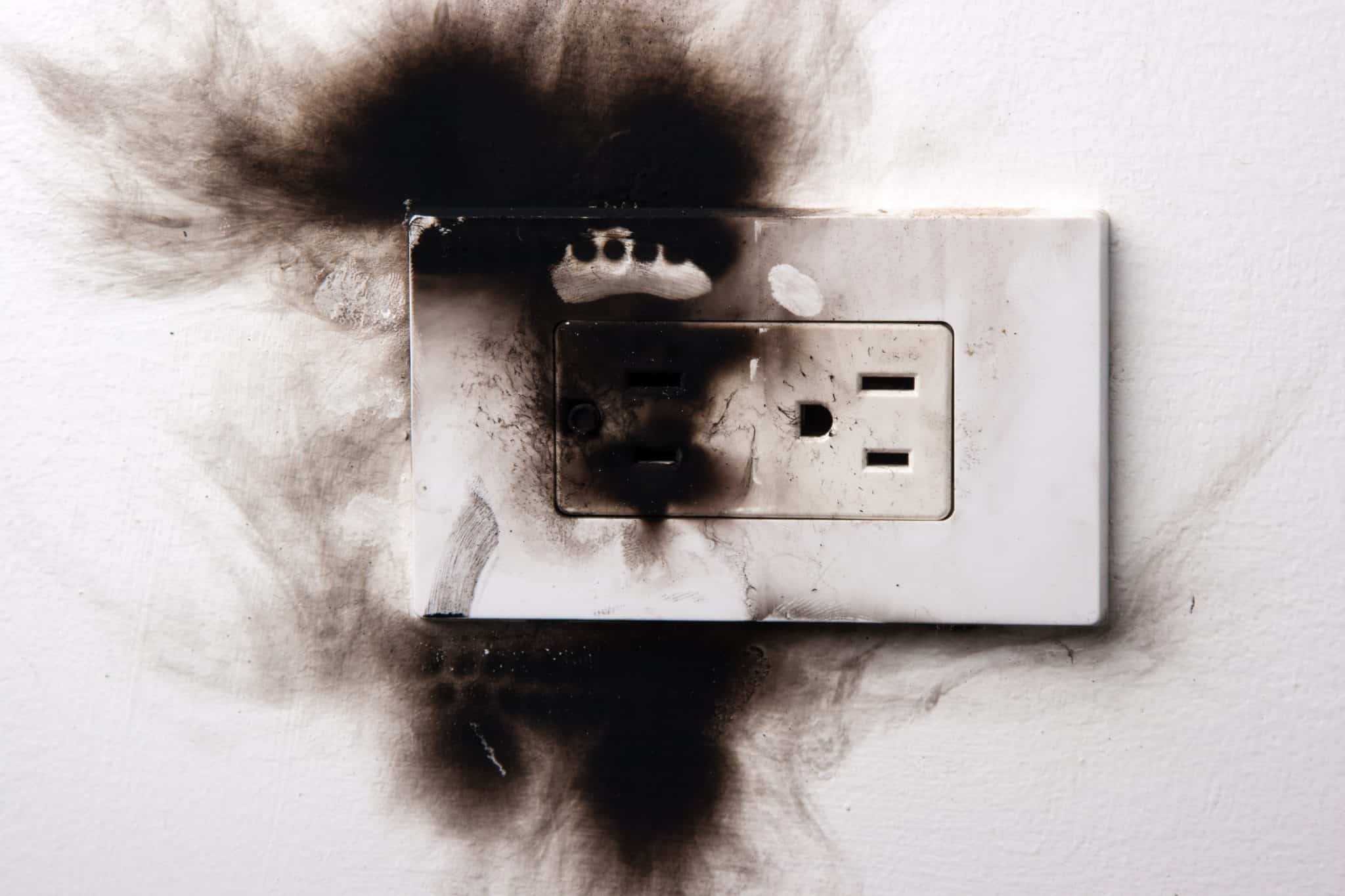
How to Protect Your Home Against Power Surges in 2026
Power surges don’t always announce themselves with sparks or sudden outages. In many cases, they quietly damage appliances, electronics, and electrical systems over time. You may not realize there’s a problem until something expensive stops working or a safety concern appears.
Surge protection plays a critical role in home safety and electrical damage prevention, especially as modern homes rely more heavily on sensitive electronics. From HVAC systems to smart devices, today’s homes are more vulnerable to voltage spikes than ever before.
In this guide, we’ll explain what causes power surges, why surge protection matters, and how professional solutions help safeguard your home in 2026. You’ll also learn how we approach surge protection installations so your electrical system is protected properly instead of relying on temporary fixes.
At a Glance
- Power surges can damage electronics and appliances without warning
- Surge protection is a key part of home safety and electrical damage prevention
- Many surges originate inside the home, not just from storms
- Professional installation offers stronger, more reliable protection
What Causes Power Surges in Your Home?
Power surges occur when there is a sudden increase in electrical voltage flowing through your system. While lightning often gets the blame, most residential surges come from everyday sources inside or near your home.
Utility grid fluctuations are a common cause, especially when power is restored after an outage. Large appliances like air conditioners and refrigerators can also create internal surges as they cycle on and off. Over time, these repeated spikes place stress on wiring and connected devices.
Aging electrical systems can make the problem worse. Outdated panels, improper grounding, or overloaded circuits reduce your home’s ability to handle voltage changes safely. Without proper surge protection, even small spikes can contribute to long-term electrical damage and reduced equipment lifespan.
Surge Protection Is Critical for Home Safety
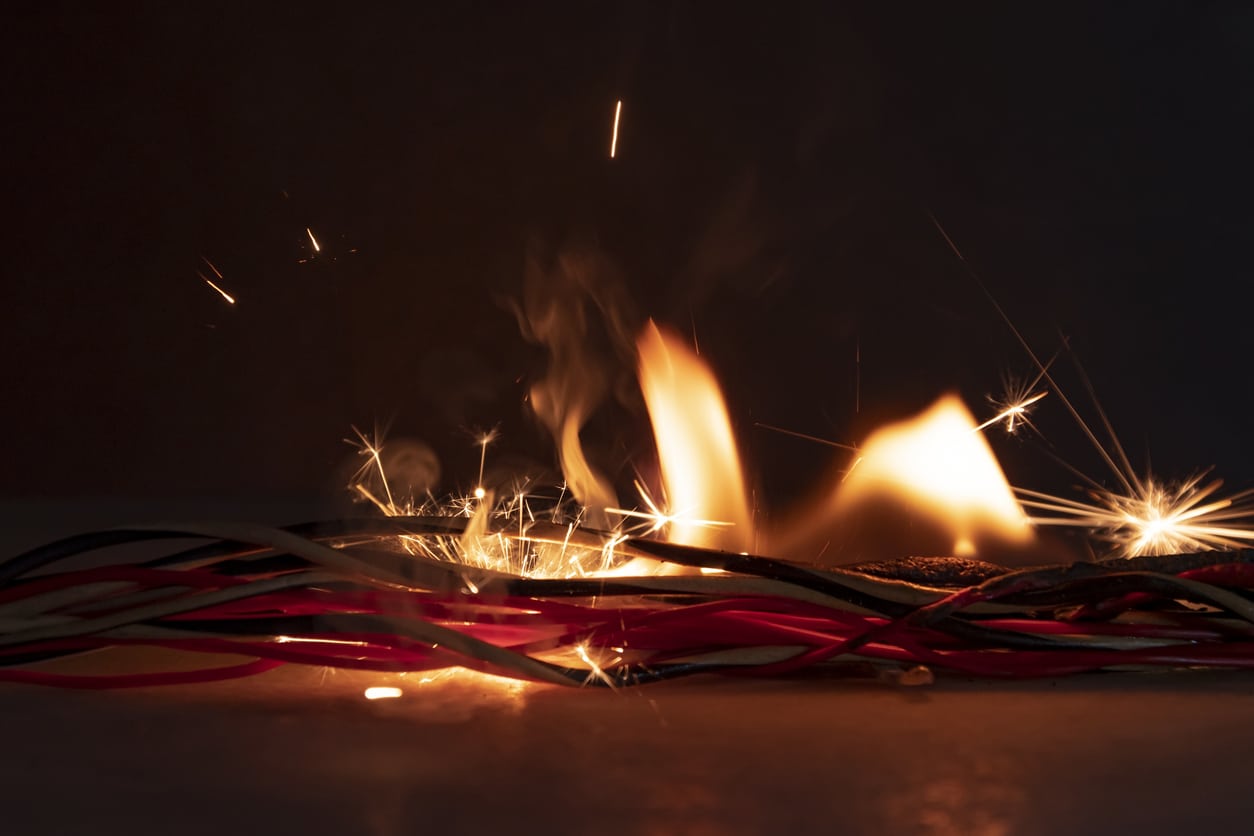
Surge protection does more than protect individual devices. It helps preserve the overall health of your electrical system. Repeated exposure to voltage spikes can weaken internal components, increasing the risk of failure and, in some cases, fire hazards.
Many homeowners rely on basic power strips, assuming they provide enough protection. While these can help in limited situations, they do not stop surges from entering your home through the electrical panel. Whole home surge protection addresses the problem at the source, offering broader coverage and stronger defense.
When surge protection is properly installed, it supports electrical damage prevention across your entire home. This added layer of protection helps reduce costly repairs, protects valuable equipment, and contributes to a safer living environment overall.
Types of Surge Protection for Your Home
Not all surge protection works the same way, and understanding your options helps you choose the right level of coverage.
Point-of-use surge protectors are commonly used for individual devices like computers or entertainment systems. These can help reduce minor spikes but offer limited protection for the rest of your home.
Whole-home surge protection systems are installed at the electrical panel and help prevent voltage spikes from entering your system in the first place. This approach protects appliances, lighting, and built-in systems throughout the home. It also reduces cumulative wear caused by frequent small surges.
Choosing the right solution depends on your electrical setup and how your home uses power. In many cases, whole-home protection paired with targeted device protection offers the most complete defense.
 Electrical Damage Prevention Beyond Surge Protection
While surge protection is a key part of electrical damage prevention, it works best when combined with a well-maintained electrical system. Proper grounding helps excess voltage safely dissipate instead of traveling through your wiring. Without it, even the best surge protection can be less effective.
Routine electrical inspections can identify loose connections, outdated panels, or overloaded circuits that increase risk. Upgrading aging wiring and ensuring your system meets current safety standards also plays a role in long-term protection.
Why Professional Installation Matters
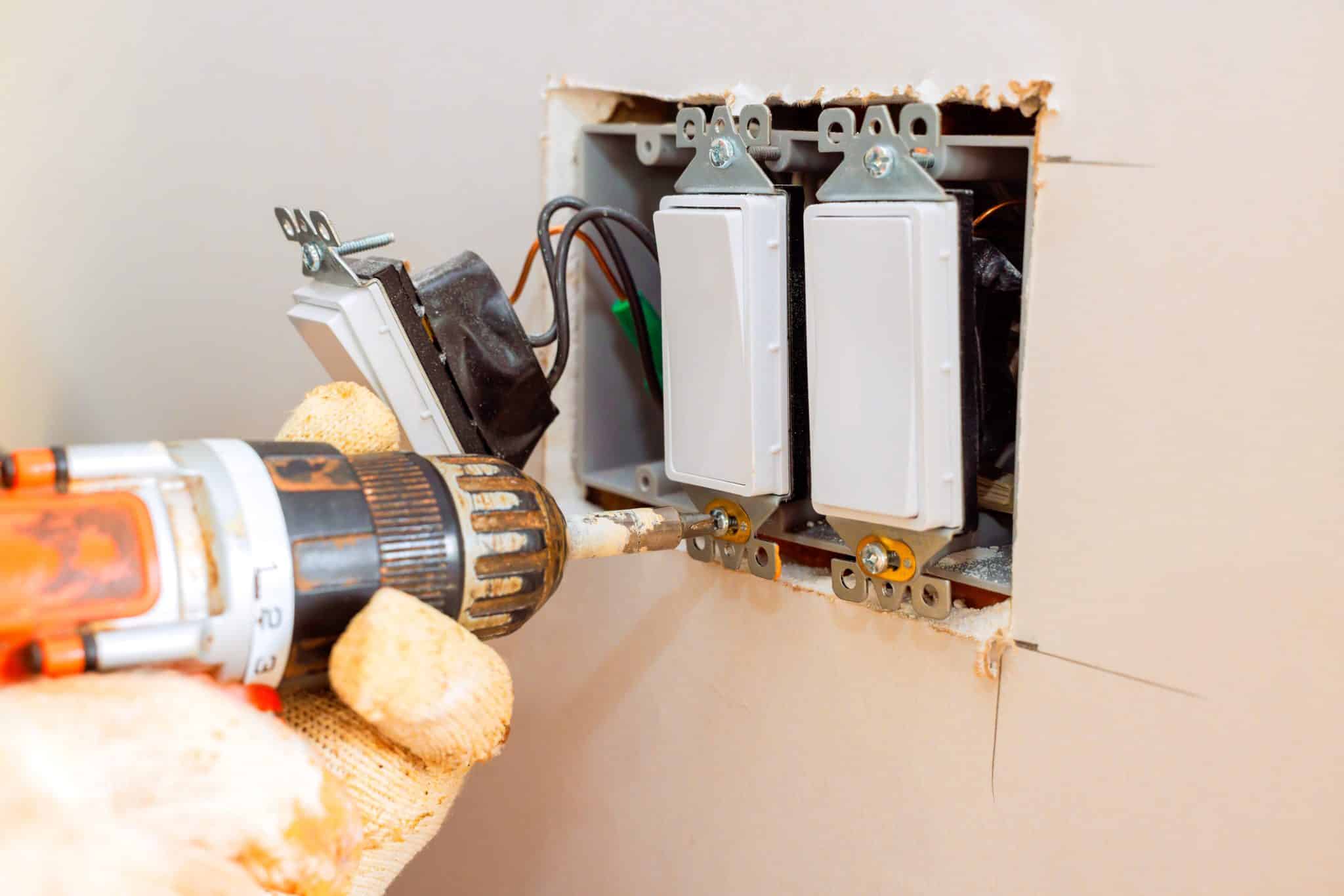
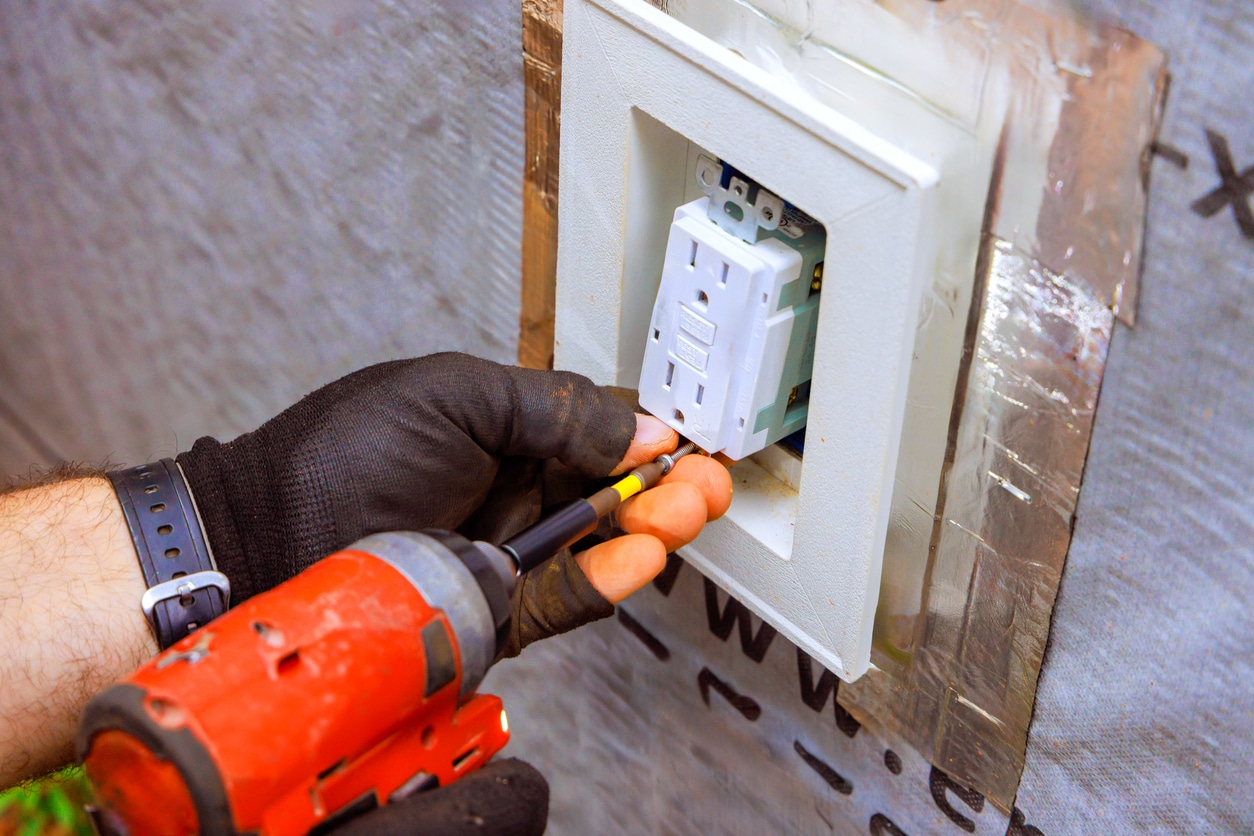
Installing surge protection is not a do-it-yourself project. Proper placement, system sizing, and grounding are essential for effective performance. Incorrect installation can leave parts of your home unprotected or create new safety concerns.
We install surge protection as part of a complete electrical solution. Our licensed electricians evaluate your panel, grounding system, and power demands before recommending the right equipment. This ensures the protection is matched to your home and installed according to current electrical codes.
Professional installation also provides peace of mind. You know your surge protection is working as intended and that your home is protected against both sudden spikes and long-term electrical stress.
Protecting Your Home Starts With Smart Electrical Planning
Power surges are an ongoing risk for modern homes, and their impact often builds over time. Understanding surge protection options and taking steps toward electrical damage prevention helps safeguard your appliances, systems, and overall home safety.
Trust J Bathe for Surge Protection In Missouri Homes
Homes in Missouri experience power fluctuations from storms, grid changes, and everyday electrical demands. We help homeowners install reliable surge protection solutions designed to protect what matters most. If you’re ready to improve your home’s safety and reduce the risk of costly electrical damage, call us at 636-498-0613 today, or reach out online to schedule professional surge protection services and get started on a safer home and lasting peace of mind.
Related Posts