The Consumer Product Safety Commission estimates that 59% of non-fire CO deaths involving consumer products…
Do I Need a Panel Upgrade for an EV Charger?
It depends on your panel’s current capacity, not just its size. A 100 or 200-amp panel can often handle a Level 2 EV home charger without an upgrade, but only a proper load calculation tells you for sure. Homes still running 60-amp service almost always need one, regardless of the EV.
The only way to know where your home stands is to look at what your panel is already carrying and what a charger would add to that. Here’s how that breaks down.
Quick Summary:
- A Level 2 charger needs its own 240-volt circuit, typically 40 to 60 amps
- EV charging counts as a continuous load, so you size the breaker 25% above the charger’s rated amperage
- A load calculation, not just your panel’s amp rating, determines whether you need an upgrade
- Panel upgrades add roughly $1,500 to $3,000 to a typical EV charger installation
- Any new circuit or hardwired charger installation requires a permit
What Does a Level 2 Charger Require?
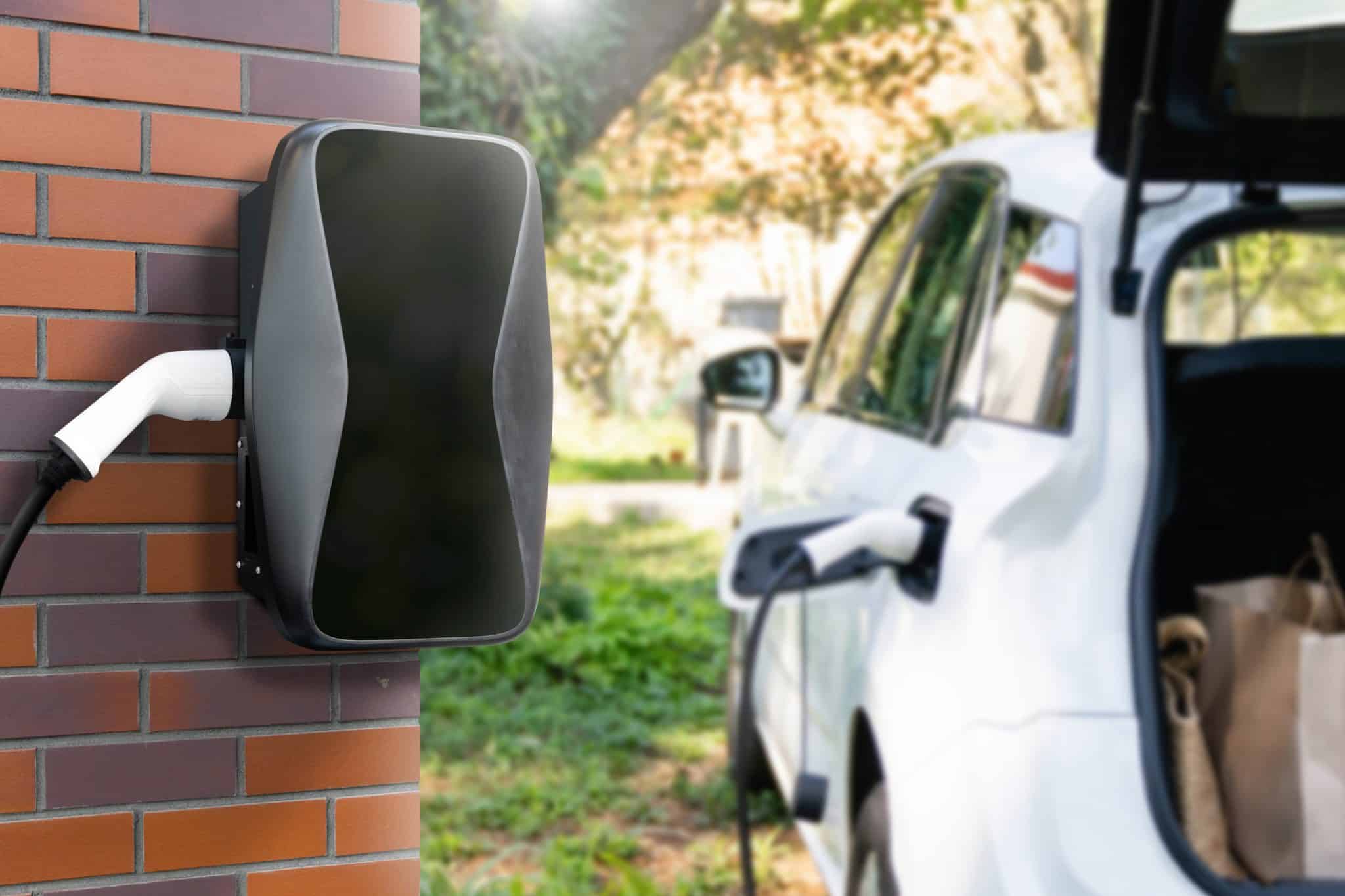
A Level 2 EV charger runs on 240 volts, the same voltage as an electric dryer or range, and needs its own circuit. Most home chargers draw between 40 and 60 amps, delivering roughly 25 to 60 miles of range per hour of charging, which is why most EV owners plug in overnight and wake up to a full battery.
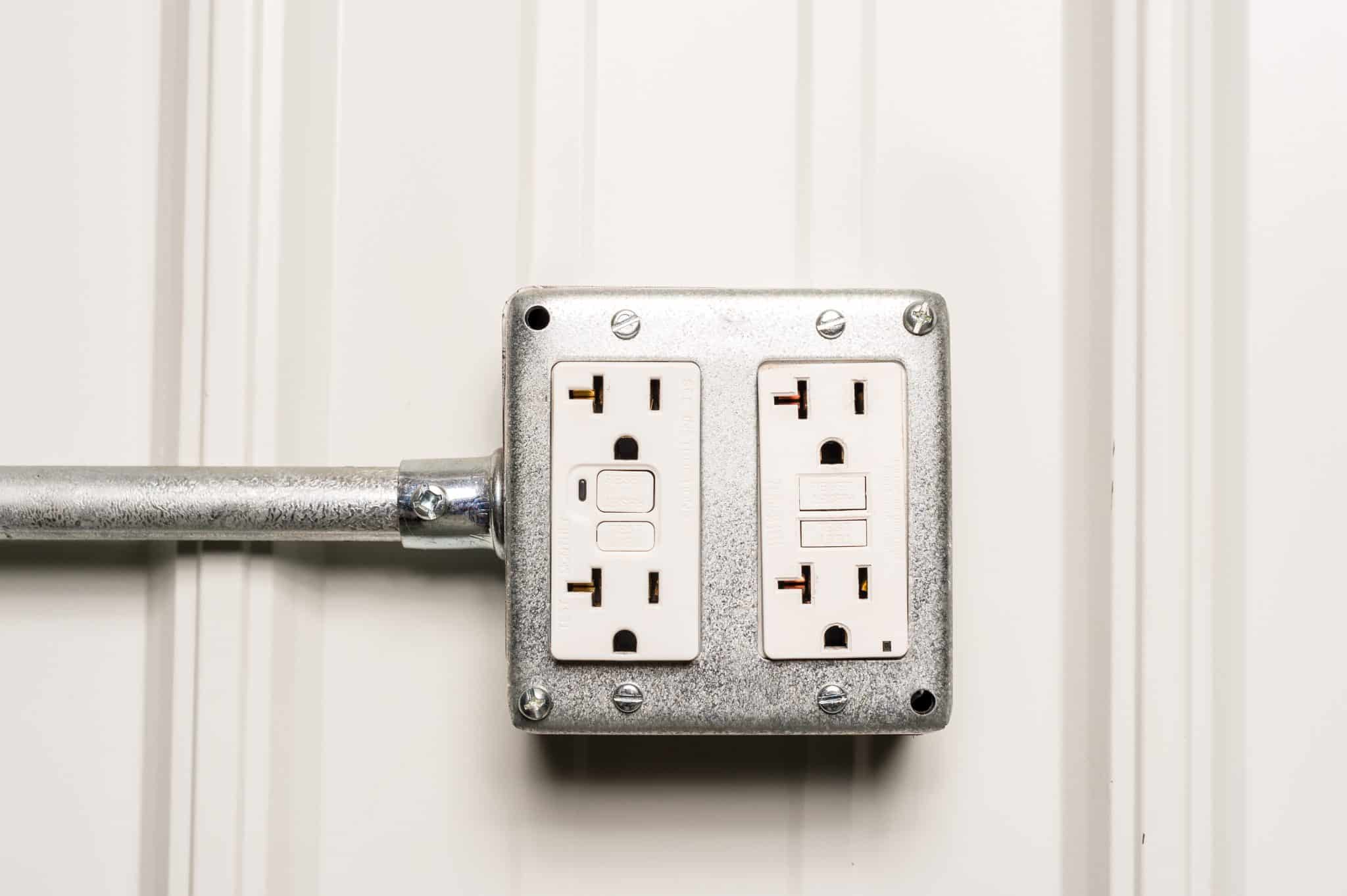
Because a car charging session can run for hours at a stretch, the National Electrical Code treats EV charging as a continuous load. That means you size the breaker protecting the circuit 25% higher than the charger’s rated amperage. A 40-amp charger needs a 50-amp breaker, not a 40-amp one. Getting this sizing wrong isn’t a small mistake. It’s the kind of error that causes nuisance trips at best and a fire risk at worst.
What size breaker do I need for a Level 2 charger?
It depends on your charger’s amperage, but as a rule, size the breaker about 25% larger than the charger’s continuous draw. A 32-amp charger typically pairs with a 40-amp breaker. A 48-amp charger typically needs a 60-amp breaker. Your electrician will confirm the exact sizing based on the charger you choose.
 Can Your Panel Handle a Level 2 EV Charger?
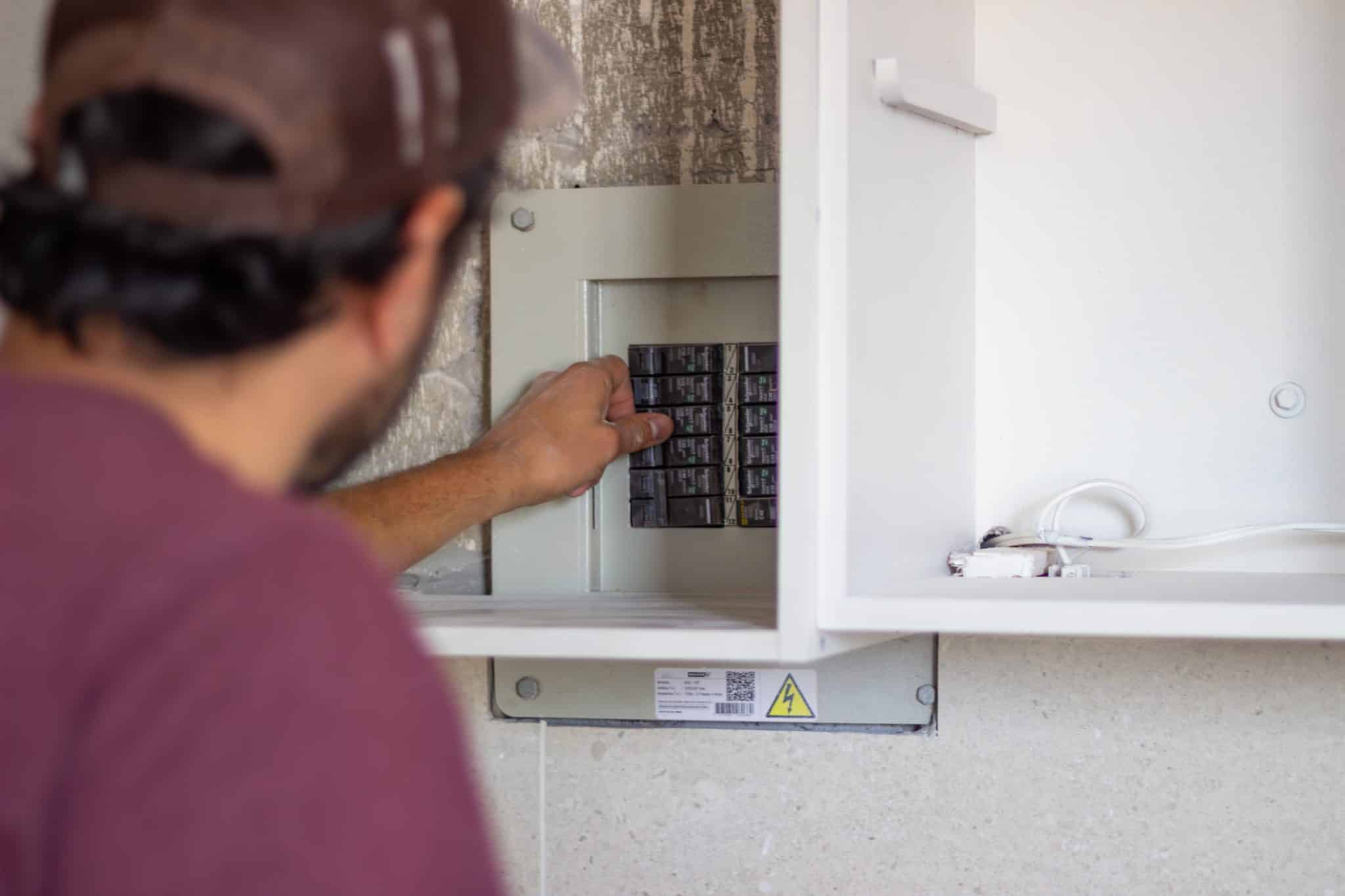
Most U.S. homes run on 100 or 200-amp electrical service. A 100-amp panel can technically support a Level 2 charger, but “technically” is doing a lot of work in that sentence. What it actually can handle depends on everything else already pulling power in your home: your HVAC system, water heater, dryer, range, and any other major appliances.
This is where a load calculation comes in. A licensed electrician adds up your home’s existing electrical demand and compares it against your panel’s total capacity. If there’s enough headroom, your electrician can add the EV circuit without touching the panel itself. If there isn’t, you’re looking at a panel upgrade or a subpanel just for the garage.
Homes built before the 1970s sometimes still run on 60-amp service. If that’s your home, a panel upgrade isn’t really optional. A 60-amp panel is already tight for a modern household, and adding a Level 2 charger on top of that isn’t realistic without more capacity first. This is also worth thinking about alongside any other major additions to your home’s power needs, like a whole-home backup generator, since both draw on the same available panel capacity.
Pro Tip: Before you call for a quote, take a photo of your panel’s label, the one listing the total amperage, usually on the inside of the panel door. It’s a small thing, but it gives your electrician a head start on the load calculation before they even step onto your property.
Level 2 Charger Amperage and What It Means for Your Panel
| Charger Amperage | Required Breaker | Typical Panel Fit |
| 24 amps | 30 amps | Fits most 100-amp panels with room to spare |
| 32 amps | 40 amps | Fits most 100-amp panels, load calculation recommended |
| 40 amps | 50 amps | Usually needs a 150 to 200-amp panel |
| 48 amps | 60 amps | Typically needs a 200-amp panel |
Faster charging isn’t always the better choice. A 48-amp charger fills a battery quicker, but it also demands more from your panel and your wiring. For most households, a 32 to 40-amp charger strikes a solid balance between charging speed and what a standard panel can realistically support.
Is it worth getting a faster charger if my panel can’t support it?
Not if it means an expensive upgrade you didn’t actually need. A properly sized 32-amp charger on existing capacity often charges a car fully overnight anyway. Talk through your daily driving habits with your electrician before assuming you need the fastest option available.
Permits, Placement, and What Installation Involves
EV charger installation almost always requires a permit. That’s true for a new circuit and for a hardwired unit alike. Permit costs vary by jurisdiction, and a licensed electrician typically handles the filing as part of the job, so you’re not stuck navigating your municipality’s process solo.
Garage placement matters too. The farther your charger sits from the panel, the thicker the wire needs to be to prevent voltage drop, which is what happens when power loses strength over a long run. A detached garage might also mean trenching for underground wiring, which adds to both the cost and the timeline.
Between the load calculation, permit filing, wire sizing, and placement, EV charger installation has more moving parts than it looks like from the outside. It’s not a job for guesswork.
What a Qmerit-Certified Installation Looks Like
- Bathe Electric has been serving Missouri homeowners since 1945, with over 80 years of hands-on experience across St. Charles, O’Fallon, St. Peters, Chesterfield, Ballwin, Florissant, and the greater St. Louis area. Every electrician on our team is licensed, background-checked, and trained at the Electrical Industry Training Center, and we’re a Qmerit-certified installer, the same certification several major EV manufacturers point their own customers toward.
We start every EV charger installation with a proper load calculation, not a guess based on your panel’s sticker. If you need a panel upgrade to support your charger, we handle that too, along with the permit filing, wiring, and final installation from start to finish.
A certified installer performing a load calculation upfront is what separates a straightforward installation from one that turns into an unexpected panel upgrade partway through the job. Getting that assessment done first from a J. Bathe electrician saves you from surprises later.
Getting a Straight Answer Before You Buy
The honest answer to whether you need a panel upgrade for an EV charger is that nobody can tell you for certain without looking at your actual panel and your home’s actual usage. Some homes have plenty of room. Others need real work first. Both are normal, and neither should be a guess.
Start with a load calculation before you commit to a charger or a quote. It’s the one step that turns “maybe” into a real answer, and it protects you from paying for a panel upgrade you didn’t actually need, or worse, skipping one you did.
Schedule Your EV Charger Load Calculation with J. Bathe Electric
We serve St. Charles, O’Fallon, St. Peters, Chesterfield, Ballwin, Florissant, and the greater St. Louis area. Call us at (636) 242-8210 or contact us online to find out exactly where your panel stands.
Call us at (636) 242-8210 or contact us online before your next gathering.
Related Posts