 Lighting That Lasts Past One Season
Heating and cooling account for roughly 45–55% of a home's total energy spend, which makes…
How to Power Your Backyard Gathering Without Tripping a Breaker
The string lights are up, the speaker’s paired to your phone, and the grill’s going. Then someone plugs in the popcorn machine, and half the patio goes dark. A breaker trip is a mood killer, but it’s also a warning sign. Outdoor spaces draw more power than most homeowners realize, and the wiring back there doesn’t always handle a full guest list.
Getting your outdoor wiring right comes down to a few essentials: GFCI-protected outlets, weatherproof gear, and a circuit plan that matches what you’re actually running back there. Here’s what that looks like in practice.
At a Glance:
- All outdoor outlets require GFCI protection under the National Electrical Code
- Standard household circuits handle 15 to 20 amps, and it’s easy to overload one with lighting, speakers, and appliances combined
- Indoor extension cords aren’t built for outdoor conditions and are a common cause of shorts and fires
- Permanent outdoor outlets and lighting hold up better than seasonal setups strung together each summer
Why GFCI Outlets Aren’t Optional
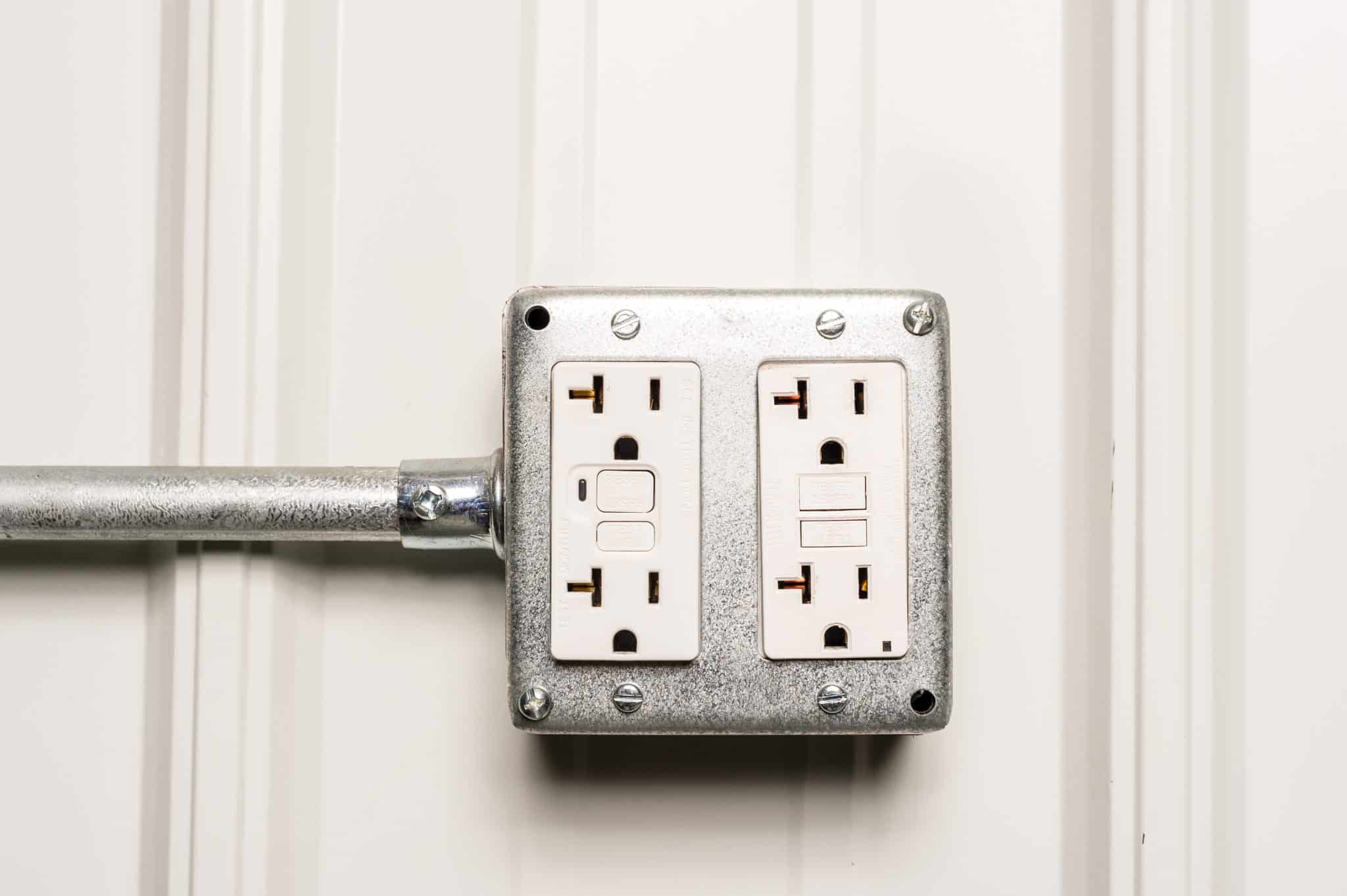
The National Electrical Code requires GFCI protection on every outdoor outlet in your home. A GFCI outlet monitors the current flowing through it and cuts power in milliseconds if it senses a leak, like the kind that happens when moisture gets where it shouldn’t.
You can spot a GFCI outlet by the small “Test” and “Reset” buttons on its face. If your patio or deck still has standard outlets without them, that’s worth fixing before you plug in anything for a party.
Do I need GFCI protection near my pool?
Yes, and the requirements are strict. Any outlet within 20 feet of a pool wall needs GFCI protection, and permanent outlets have to sit at least 6 feet back from the pool’s edge. If you’re planning pool lighting, a pump, or any powered equipment near the water, this isn’t an area to guess on. A J. Bathe Electric electrician can confirm your setup actually meets code.
Pro Tip: Test your outdoor GFCI outlets once a month, especially before hosting season ramps up. Press the test button, and the power should cut off. Press reset; it should come back on. If it doesn’t reset or won’t hold power, the outlet needs professional attention before you use it again.
The Extension Cord Mistake Almost Everyone Makes
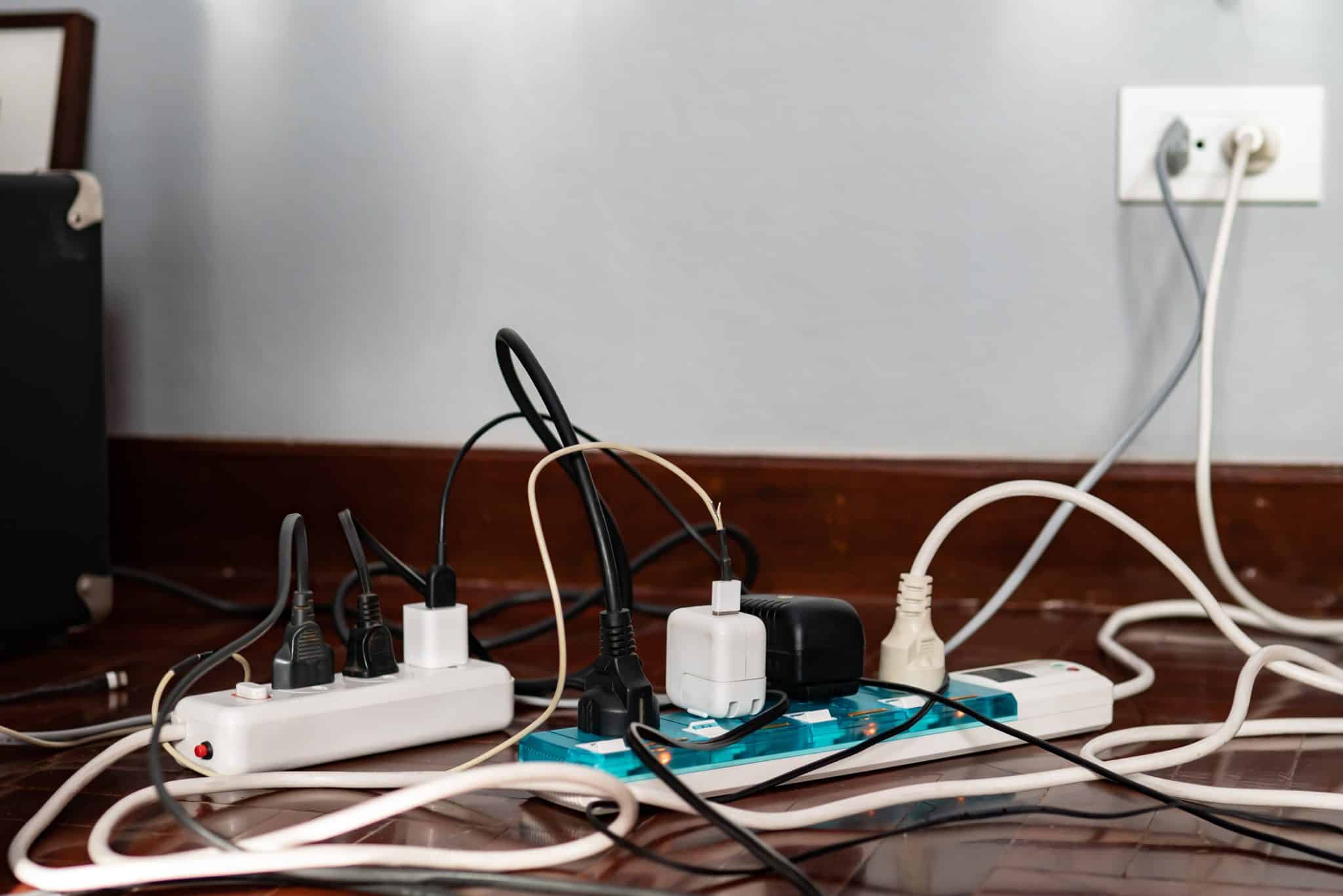
Grabbing whatever cord’s closest is the most common outdoor electrical mistake homeowners make, and it’s an easy one to fix. Indoor extension cords aren’t insulated for moisture, sun exposure, or temperature swings. Used outside, they create a real fire and shock risk, not just a minor inconvenience.
Look for a “W” on the cord’s jacket. That marking means it’s rated for outdoor use. Outdoor-rated cords are also thicker and better insulated, which matters when you’re running one across wet grass or coiling it up after a rainy evening.
A few habits go a long way here too. Keep cords off walkways where someone could trip. Never run one under a rug or through a doorway. And treat cords as temporary. If you’re running the same cord to the same spot every weekend all summer, that’s a sign it’s time for a real outlet there instead.
 Planning Outdoor Wiring for Your Summer Gathering
Here’s what trips most breakers at a summer gathering: nobody thought about how much power was actually going to run at once. A standard household circuit handles 15 to 20 amps. String lights, a sound system, a popcorn machine, and a few phone chargers can add up faster than you’d expect, especially if they’re all sharing one outlet or one extension cord.
What typically needs its own dedicated circuit:
- A hot tub, which usually requires a 50-amp, 240-volt circuit with its own disconnect
- An outdoor kitchen, which often needs multiple 20-amp circuits for a fridge, warming drawer, and cooking equipment
- Any high-draw appliance you’re running regularly, not just for one party
How do I know if my outdoor outlets can handle a full gathering?
If your patio has one or two outlets total, probably not without some help. Most homes only got enough outdoor power for a hose trimmer or a string of holiday lights, not a full entertainment setup. An electrician can map out where your circuits are and add outlets where you actually need them, sized for what you’re really going to plug in.
 Lighting That Lasts Past One Season
String lights set the mood, but they’re not built to survive a Missouri thunderstorm season after season. Wind and rain wear them down fast, and a damaged string light is exactly the kind of thing that turns into an electrical hazard without anyone noticing.
Permanent outdoor lighting, like landscape lighting, wired fixtures along a pergola, or dedicated outlets for seasonal string lights, holds up to weather and looks intentional instead of thrown together. It also saves you from restringing lights every June. If lighting is a big part of how you use your outdoor space, treat it as a real installation instead of a yearly project.
Every outdoor outlet needs a weatherproof “in-use” cover, including any outlet powering lights, a speaker, or something else out there. A GFCI outlet left uncovered while something’s plugged in during a storm isn’t actually protected the way it should be.
Getting Your Outdoor Setup Ready the Right Way
Most of what makes an outdoor gathering safe comes down to planning before guests arrive, not scrambling once the lights are strung and the speakers are out. That means knowing where your circuits are, how much they can handle, and whether your existing outlets are actually up to code.
At J. Bathe Electric, our licensed, background-checked electricians train at the Electrical Industry Training Center and bring over 80 years of experience to every outdoor installation across St. Charles, O’Fallon, St. Peters, Chesterfield, Ballwin, Florissant, and the greater St. Louis area.
We handle outdoor outlet installation, GFCI upgrades, and dedicated circuits for hot tubs, outdoor kitchens, and entertainment setups, and every job is done to code. If you’re planning bigger additions like an outdoor kitchen setup or want your whole system protected from summer storms, we can pair that work with whole-home surge protection too.
And if entertaining season has you thinking about your energy use overall, it’s worth checking for energy vampires hiding inside the house while you’re at it.
Host the Party, Not the Electrical Emergency
A great summer gathering runs on more than good weather and a full cooler. It runs on wiring that can actually handle what you’re plugging into it. GFCI protection, the right cords, a circuit plan that matches your setup, and lighting built to last are what separate a smooth night from a tripped breaker in the middle of it.
None of this requires a full backyard overhaul. Start with what you’re actually running back there, check whether your outlets can handle it, and bring in a professional for anything involving a pool, hot tub, or permanent installation.
FAQs: Outdoor Electrical Solutions
Do all outdoor outlets need GFCI protection?
Yes. The National Electrical Code requires GFCI protection on all outdoor receptacles, no exceptions. If your patio or deck has older, standard outlets, upgrade them before you rely on them for a party.
Can I use a regular extension cord outside for a party?
No, not safely. Indoor extension cords aren’t insulated for outdoor moisture, sun, or temperature changes, and using one outside is a common cause of shorts and fires. Look for a cord marked with a “W” on the jacket, which means it’s rated for outdoor use.
How many amps can my outdoor outlet handle before it trips?
Most standard household circuits are rated for 15 or 20 amps. Lighting, speakers, and appliances add up fast when they share one outlet or circuit. If you’re regularly running a lot of equipment outside, a licensed electrician can check your circuit load and add dedicated outlets where needed.
Schedule Your Outdoor Electrical Assessment with J. Bathe Electric
We serve St. Charles, O’Fallon, St. Peters, Chesterfield, Ballwin, Florissant, and the greater St. Louis area. Call us at (636) 242-8210 or contact us online before your next gathering.
Related Posts