 What Buyers and Sellers Should Know Going In
The Consumer Product Safety Commission estimates that 59% of non-fire CO deaths involving consumer products…
Your Home Electrical Inspection Checklist: What Gets Checked
A home electrical inspection covers your panel, grounding, GFCI and AFCI protection, outlets, wiring condition, and smoke detectors, usually in under two hours for an average-sized home. It sounds routine until an inspector finds something that changes your closing date, your insurance premium, or your peace of mind.
Homeowners, buyers, and sellers all end up needing one eventually, and the process looks the same no matter which category you fall into. Here’s exactly what happens during that appointment and what the findings actually mean.
At a Glance:
- A full home electrical inspection covers the panel, grounding, GFCI/AFCI protection, outlets, wiring condition, and smoke detectors
- Panels branded Federal Pacific (FPE) or Zinsco are commonly flagged and can affect insurability
- GFCI protection is required in kitchens, bathrooms, garages, basements, and outdoor areas
- Smoke alarms need to be interconnected, with one in every bedroom and on every level
- Buyers, sellers, and homeowners all benefit from an inspection, though the stakes look different for each
What a Home Electrical Inspection Actually Covers
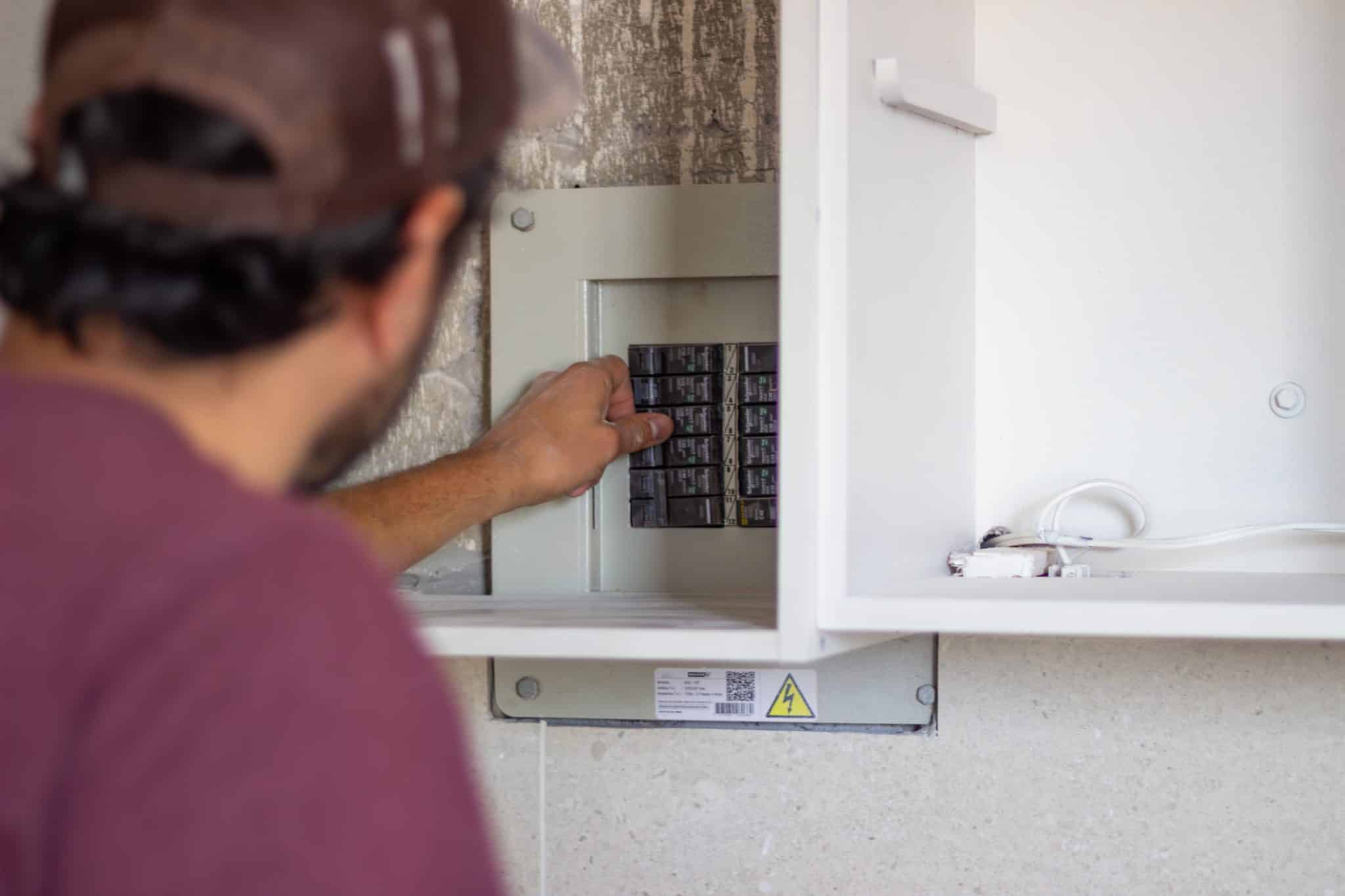
An electrician opens the panel first, checking for proper labeling, signs of overheating, corrosion, and loose connections, then confirms the panel has enough capacity for the home’s current load. From there, grounding and bonding get tested through continuity checks, since a properly grounded system is the main defense against shock and fire.
An electrician tests every accessible outlet and switch individually for grounding, correct polarity, and secure connections. The electrician trips each GFCI outlet to confirm it actually cuts power and tests AFCI breakers the same way. The visible wiring itself gets a close look too, checking for damaged insulation, exposed conductors, and outdated wiring types like aluminum or knob-and-tube, both of which carry known fire risks in older homes. Most inspections run one to two hours for an average-sized home, longer for larger homes or older systems with more to check.
 Panel Brands That Get Flagged During Inspections
Some panel brands come with a documented history of problems that go beyond age. If your home was built or last rewired between the 1950s and 1980s, this section is worth reading closely.
| Panel Brand | Common Installation Years | Why Inspectors Flag It |
| Federal Pacific (FPE / Stab-Lok) | 1950s–1980s | Breakers can fail to trip under overload |
| Zinsco / GTE-Sylvania | 1930s–1970s | Breakers can weld to the bus bar and stay energized |
| Challenger | 1980s–1990s | Similar breaker failure issues to Zinsco |
| Any panel over 40 years old | Varies | Often undersized for modern electrical loads |
The problem with these panels isn’t always visible from the outside. A breaker can look like it’s switched off while the circuit behind it stays energized, which is exactly why an inspector checks the brand, not just the general condition.
What if my panel is a Federal Pacific or Zinsco?
Replacement is the standard recommendation, not a repair. Some insurance companies won’t write or renew a policy on a home with one of these panels until it’s replaced, so this often comes up during a home sale before it comes up anywhere else.
GFCI Protection and What Gets Tested Along the Way
Ground-fault circuit interrupters cut power within milliseconds if they detect current leaking somewhere it shouldn’t, which is why they’re required in kitchens, bathrooms, garages, basements, and any outdoor location. According to the U.S. Consumer Product Safety Commission, warning signs of a larger wiring problem include frequently tripping breakers, flickering lights, and outlet covers or switch plates that feel warm to the touch.
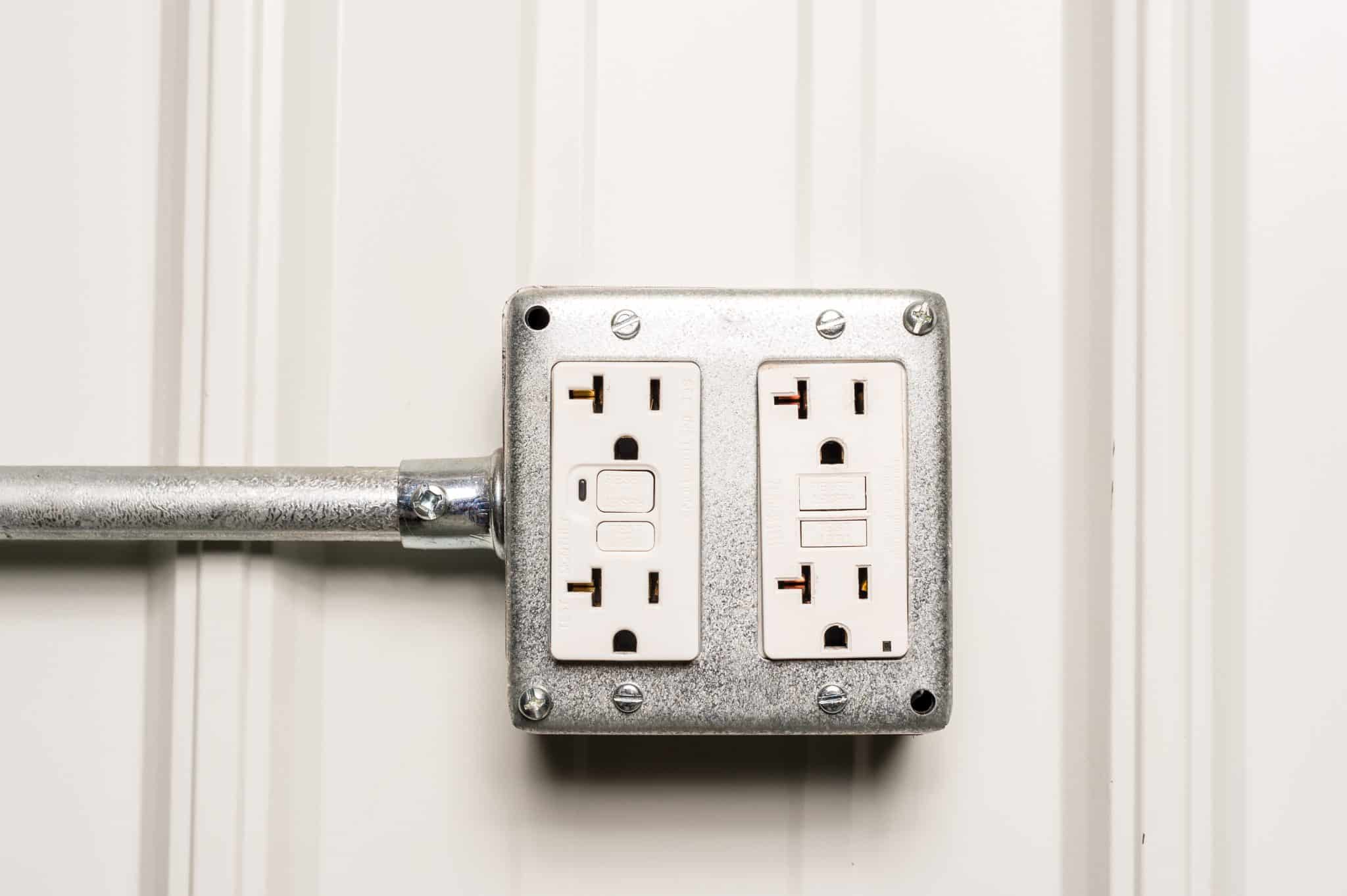
An inspector tests each GFCI outlet’s Test and Reset buttons to confirm it actually functions, not just that it exists. Homes built before GFCI requirements became standard often have a mix of protected and unprotected outlets, which is a common finding during an inspection of an older property.
Pro Tip: Before your inspection, walk your own home and press the Test button on any GFCI outlets you can find. If one doesn’t reset properly, note the location so you can mention it directly; it speeds up the inspection and gives your electrician a head start.
Smoke Detectors: The Part Everyone Forgets
A lot of DIY home safety checks overlook smoke alarms, but they’re a required part of any thorough electrical inspection. Current standards call for an alarm on every level of the home, outside each sleeping area, and inside every bedroom, all interconnected so one triggering sounds every alarm in the house.
According to NFPA, working smoke alarms cut the risk of dying in a home fire by roughly 60 percent. An inspector checks placement, interconnection, and age, since alarms need replacement every 10 years even if they still appear to work.
 What Buyers and Sellers Should Know Going In
For buyers, an electrical inspection often gets bundled into a general home inspection, but a standalone electrical safety inspection goes further, including load calculations and internal panel checks a general inspector typically won’t perform. If the report flags a hazardous panel brand or missing GFCI protection, that becomes a real negotiating point before closing.
For sellers, getting ahead of these findings changes the conversation entirely. A pre-listing inspection lets you address problems on your own timeline and budget, rather than discovering them mid-negotiation when a buyer’s inspector finds them first.
Should sellers get an inspection before listing?
It’s worth considering, especially for homes built before 1990 or homes that haven’t had an electrical review in over a decade. Finding and fixing an issue ahead of time is almost always less stressful and less costly than renegotiating a deal after a buyer’s inspector flags it.
A Clear Picture Beats an Educated Guess
An electrical inspection isn’t about passing or failing. It’s about knowing exactly where your home’s electrical system stands, whether that’s confirming everything looks good or catching a hazardous panel before it becomes a bigger problem. Either outcome puts you in a stronger position than not knowing at all.
If your inspection turns up a hazardous panel, J Bathe Electrical can handle the panel upgrade from start to finish, including permits. If grounding or bonding issues turn up, we can pair that repair with whole-home surge protection while we’re already in the panel. And if your bill has been climbing for reasons an inspection alone won’t explain, it’s worth reading about the energy vampires that might be hiding in your electrical system too.
Homeowners, buyers, and sellers all get the same benefit from a thorough inspection: a clear picture instead of a guess, and a plan for whatever the inspection turns up.
FAQs: Home Electrical Inspection
What does a home electrical inspection check?
A full inspection covers the panel, grounding and bonding, GFCI and AFCI protection, every accessible outlet and switch, visible wiring condition, and smoke detector placement and age.
How much does an electrical safety inspection cost?
Cost varies by home size and scope, but a standalone electrical inspection typically runs less than a general home inspection that only includes a basic electrical review. Your J. Bathe Electric electrician can give you an exact quote based on your home.
Do I need an electrical inspection before selling my home?
It’s not required, but it’s a smart move for homes built before 1990 or homes without a recent electrical review. A pre-listing inspection lets you address issues before a buyer’s inspector finds them during negotiations.
Book a Home Electrical Inspection with J. Bathe Electric
We serve St. Charles, O’Fallon, St. Peters, Chesterfield, Ballwin, Florissant, and the greater St. Louis area.
Call us at (636) 242-8210 or contact us online to schedule yours.
Related Posts