 A Smart Investment Before the Next Storm
The string lights are up, the speaker's paired to your phone, and the grill's going…
What Homeowners Need to Know About Whole-Home Backup Systems
If you’ve lived in the St. Charles or St. Louis area for any length of time, you know the drill. A strong line of thunderstorms rolls through, and suddenly half the neighborhood is dark. In 2024 alone, the St. Louis region was hit by countless rounds of severe weather, leaving thousands of Ameren Missouri customers without power for hours, and for some, days.
A whole-home backup system changes that equation entirely. Instead of scrambling for flashlights or worrying about the food in your fridge, your home keeps running like nothing happened.
At a Glance: Whole-Home Generators
- Severe weather regularly knocks out power across St. Charles and St. Louis, sometimes for days.
- A standby generator kicks on automatically within seconds of an outage.
- Whole-home systems protect your HVAC, sump pump, appliances, and medical equipment.
- A properly installed generator can add 3–5% to your home’s resale value.
What Is a Whole-Home Backup System?
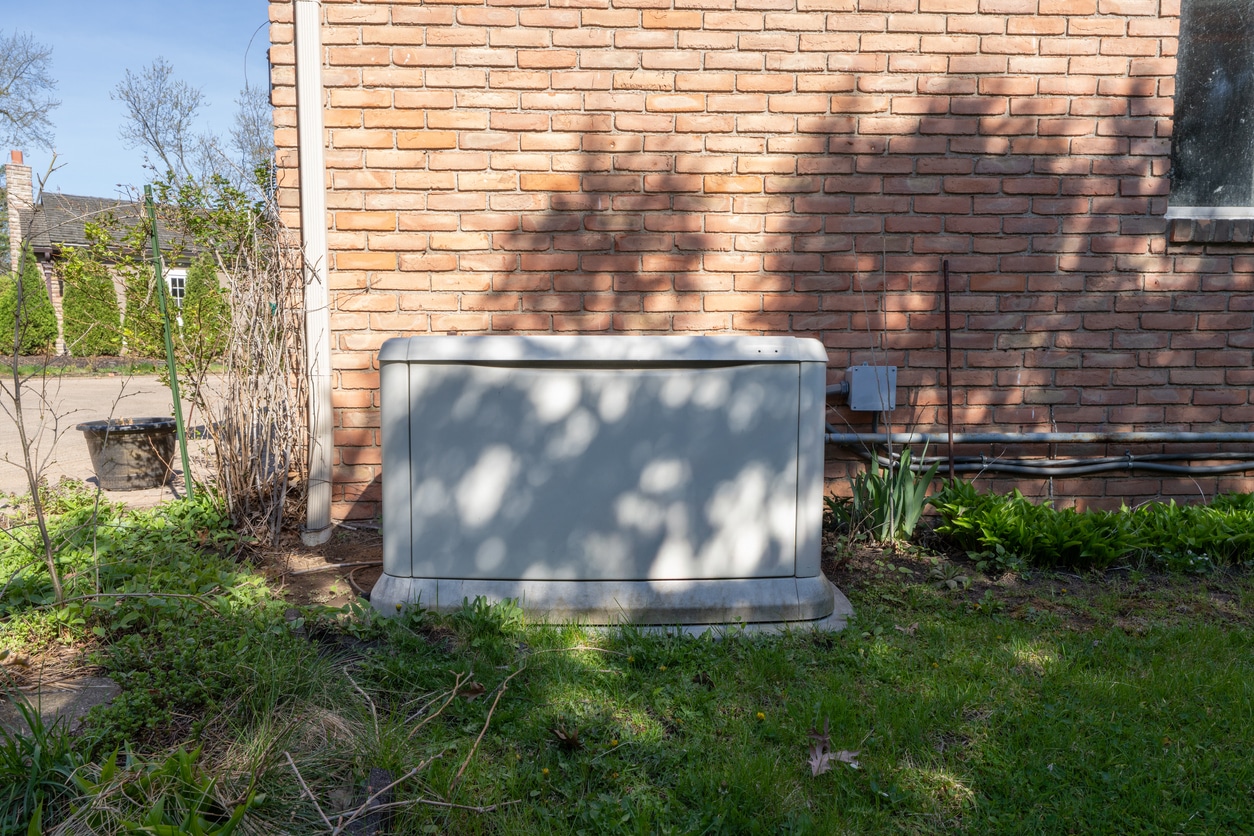
A standby generator is a permanently installed unit that connects directly to your home’s electrical panel and fuel supply. When the grid goes down, it detects the outage and kicks on automatically within seconds.
There’s no manual startup, no extension cords, and no going outside in a storm. Most systems run on natural gas or propane, so you’re not dependent on keeping gasoline stocked.
How is a standby generator different from a portable one?
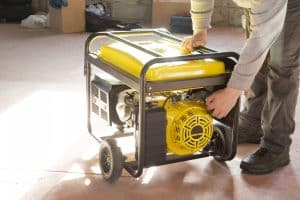
Portable generators are cheaper upfront, but they require manual setup, can’t be used indoors, and only power a handful of devices at a time. A standby generator is hardwired into your electrical system, starts on its own, and can power your entire home. Consumer Reports calls whole-house generators “the gold standard in backup power.”
Why Power Outage Protection Matters More Now
Missouri sits squarely in severe weather territory, and the St. Louis area sees its share of thunderstorms, high winds, and ice events throughout the year. The stakes are higher than they used to be, too.
More people work from home full-time, so an outage costs you a workday. Families with medical devices or well systems face risks beyond inconvenience. And for any home with a sump pump, losing power during heavy rain is how basements flood. Repairing burst pipes alone can run upwards of $10,000.
Generator Benefits Beyond the Outage
A standby generator isn’t just an emergency tool. A properly installed system can increase your home’s resale value by 3–5%. On a $300,000 home, that’s up to $15,000 in added equity. Homes with backup power also tend to sell faster because buyers know the property is prepared for the unexpected.
Some insurance carriers offer premium discounts for homes with standby systems as well, since backup power reduces the likelihood of costly damage claims. It’s worth a call to your insurer after installation.
Is a standby generator worth the upfront cost?
For most St. Charles and St. Louis area homeowners, yes. Installation typically runs between $7,000 and $15,000. Weigh that against a flooded basement, hotel stays, spoiled food, lost work time, and appliance damage from power surges.
According to the U.S. Department of Energy, protecting your home’s heating and cooling systems during an outage alone can prevent thousands in repair costs.
Why Every Part of the Installation Process Matters
A standby generator requires permits, load calculations, electrical panel integration, fuel line connections, and a concrete pad. Done incorrectly, it creates safety hazards and won’t pass inspection. This isn’t a DIY project.
At J. Bathe Electric, our team trains at the Electrical Industry Training Center and has been installing and servicing generators across St. Charles, O’Fallon, Chesterfield, and the greater St. Louis area for over 80 years. Every installation is done to code and properly permitted, and we handle the ongoing maintenance that keeps your system ready when you need it.
Pro Tip: Before your consultation, pull three to six months of electricity bills. That usage data helps your electrician size the system correctly for your home.
 A Smart Investment Before the Next Storm
Power outage protection has moved well past the “nice to have” category for most Missouri homeowners. A professional assessment from J. Bathe Electric will walk you through your options, size the system to your home’s actual needs, and give you a clear picture of what installation involves. The best time to do that is before storm season hits.
FAQs: Whole Home Generators
How long can a whole-home standby generator run during an outage?
A natural gas generator can run indefinitely as long as the gas supply stays on. A propane system runs until the tank needs refueling, which is far less frequent than topping off a portable generator.
Do I need a permit to install a standby generator in Missouri?
Yes. Installation requires permits and must be completed by a licensed electrician to ensure proper panel integration, code compliance, and a passing inspection.
Will my homeowner’s insurance cover generator installation?
Installation costs aren’t typically covered, but having a generator may reduce your premium. Some carriers offer discounts because backup power lowers the risk of outage-related damage claims. Check with your provider after installation.
Get a Generator Assessment from J. Bathe Electric
We serve St. Charles, O’Fallon, St. Peters, Chesterfield, Ballwin, Florissant, and the greater St. Louis area.
Give us a call at (636) 689-5085 or contact us online to schedule a visit from our expert team.
Related Posts